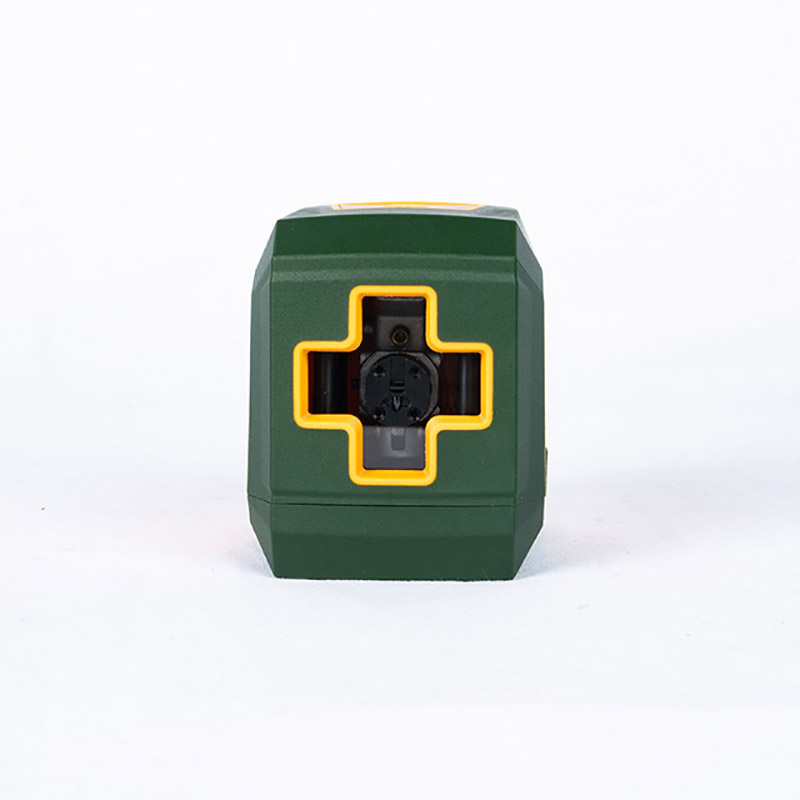
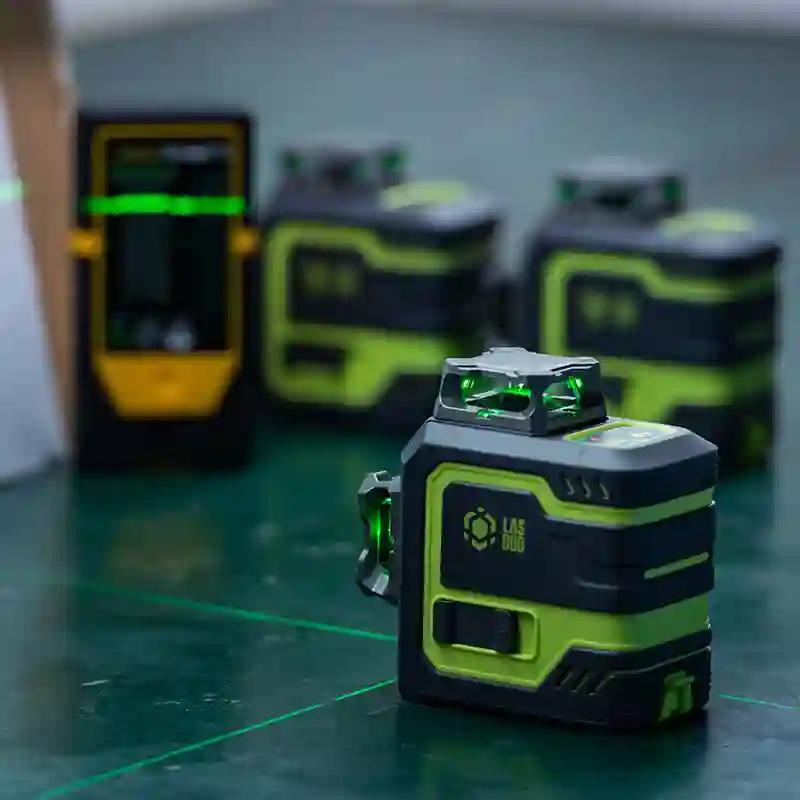
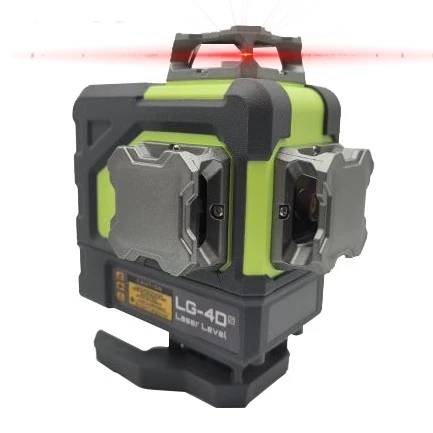
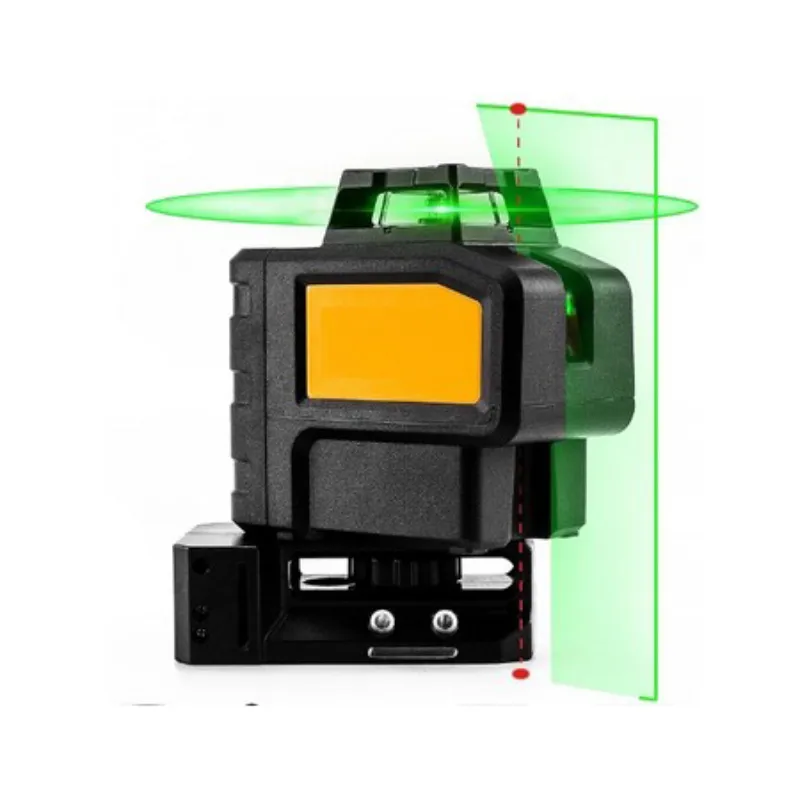
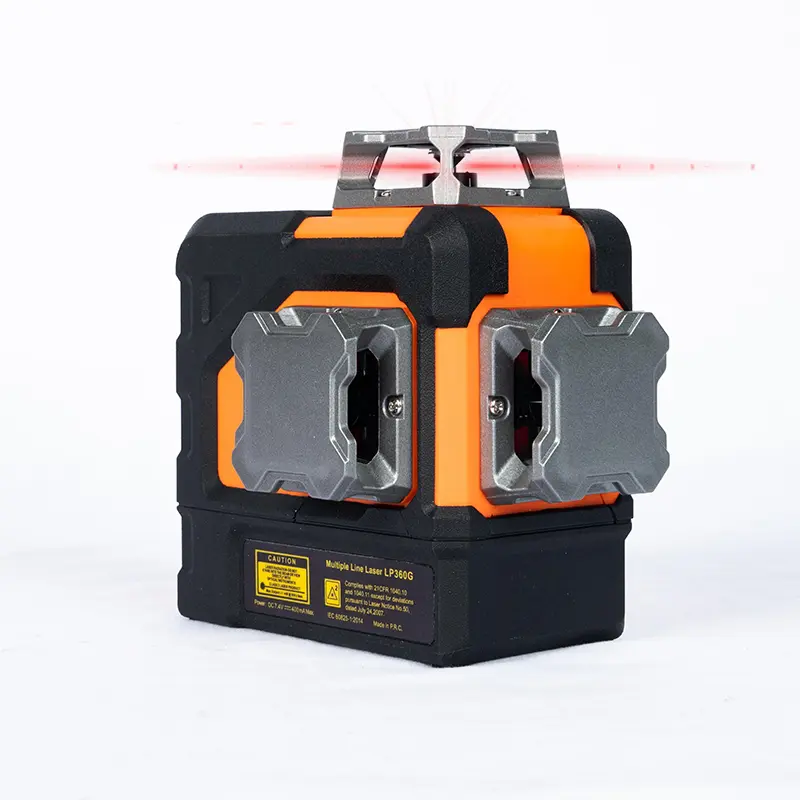
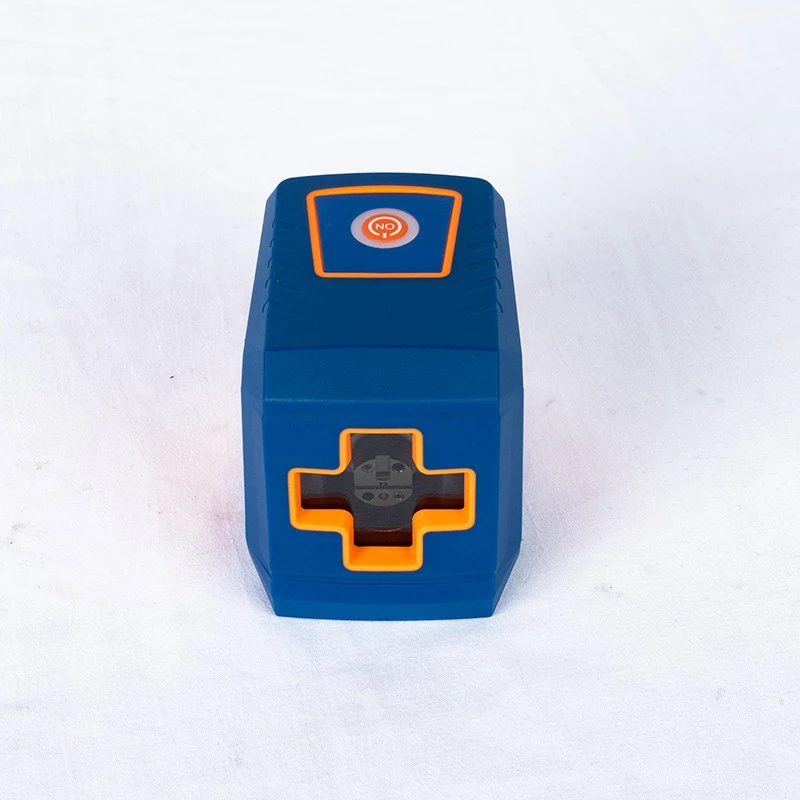
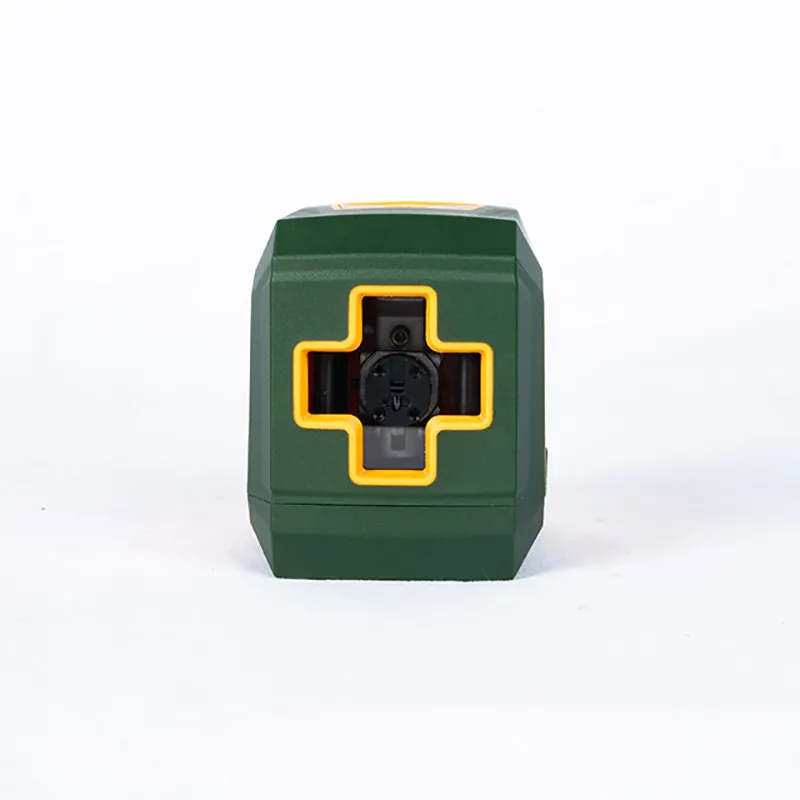
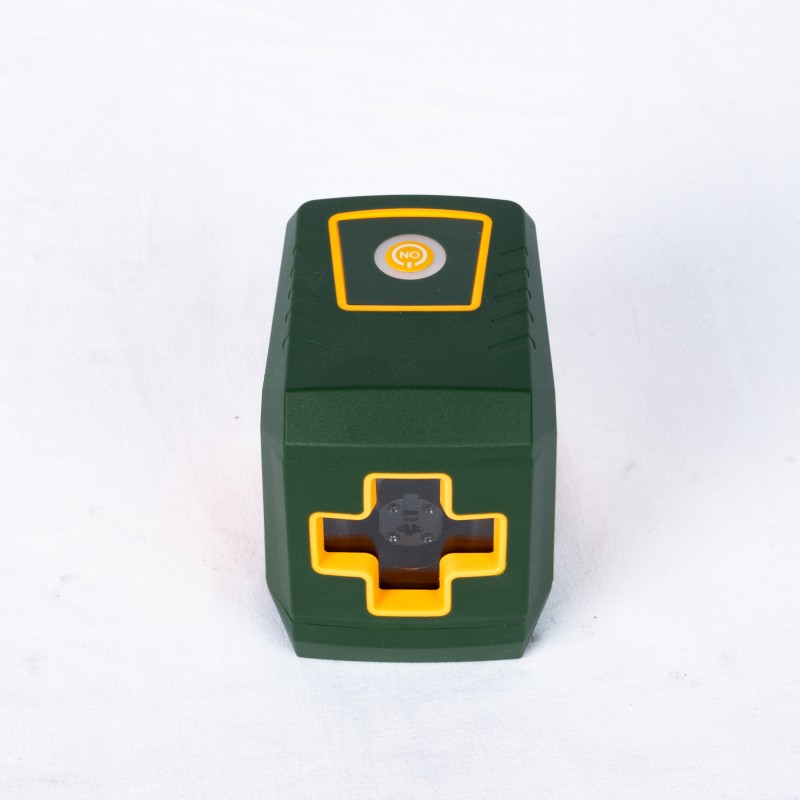
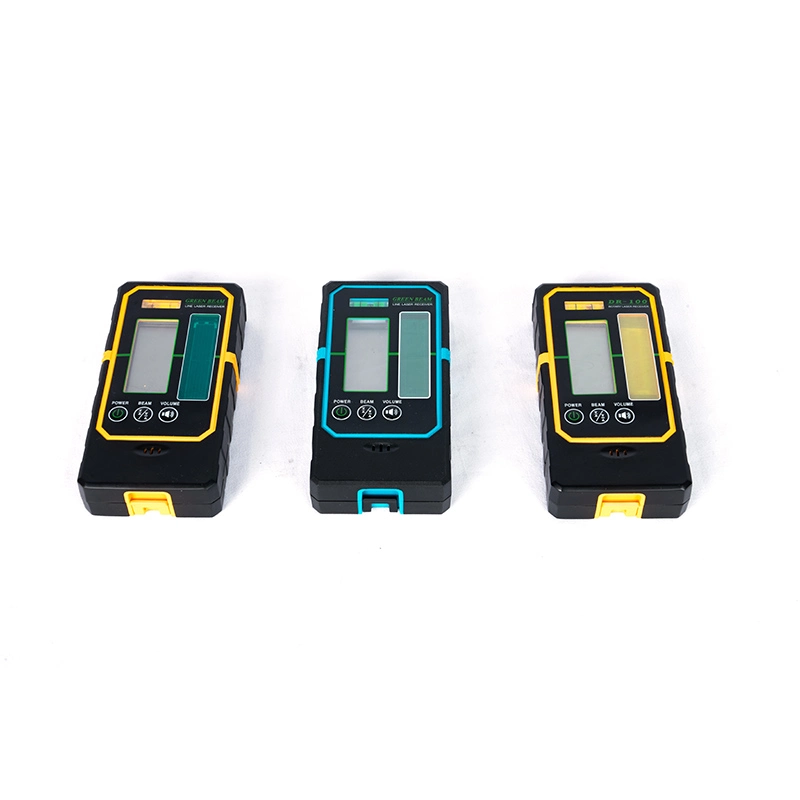
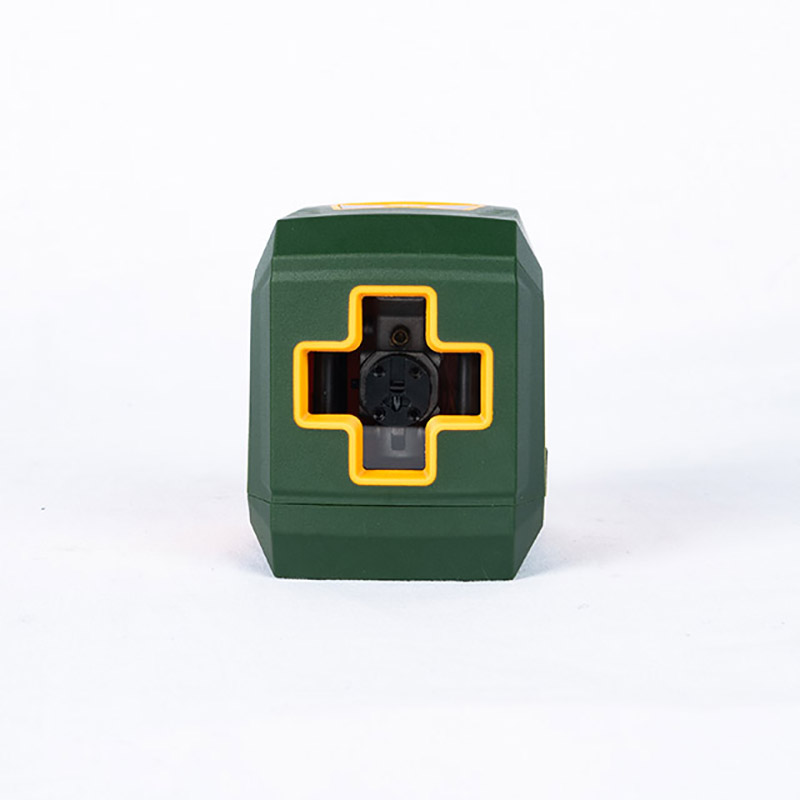
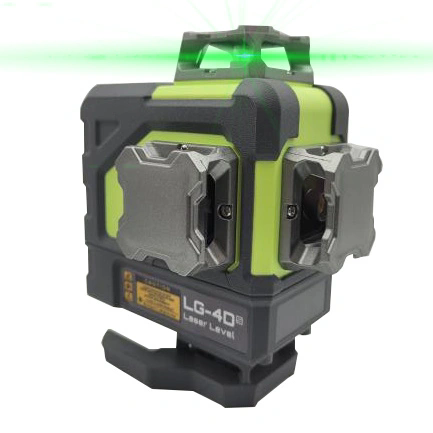
A Cross Line Red Laser Level is a precision tool designed to project horizontal and vertical laser lines for accurate alignment in construction, interior decoration, installation, and measurement tasks. This article explores how this device improves accuracy, reduces human error, and increases efficiency across multiple applications. It also provides practical insights into selection criteria, usage scenarios, maintenance methods, and frequently asked questions to help users make informed decisions.
In modern construction and interior installation work, precision is not optional—it is essential. Even a minor misalignment can lead to costly rework, structural inconsistencies, and aesthetic flaws. Traditional measuring tools like spirit levels and chalk lines often rely heavily on manual interpretation, which increases the risk of error.
The Cross Line Red Laser Level addresses these challenges by projecting highly visible laser lines that serve as accurate reference points. Whether installing tiles, mounting shelves, or aligning framing structures, this tool significantly improves workflow efficiency and measurement accuracy.
Article Outline
Understanding the Cross Line Red Laser Level
Core Functional Advantages
Precision Mechanism and Working Principle
Industry Use Cases
Product Selection Guide
Maintenance and Longevity Practices
Frequently Asked Questions
What Is a Cross Line Red Laser Level?
A Cross Line Red Laser Level is a compact optical measuring device that emits two intersecting laser beams—one horizontal and one vertical—forming a precise 90-degree cross on surfaces. These beams serve as real-time alignment guides for construction and installation tasks.
Unlike traditional bubble levels, this tool eliminates subjective judgment by providing a fixed, visible reference line. It is commonly used in both indoor and controlled lighting environments due to the visibility characteristics of red laser technology.
Key Benefits
High precision alignment: Ensures accurate leveling and positioning.
Time efficiency: Reduces setup and measurement time significantly.
Reduced human error: Minimizes reliance on manual interpretation.
Versatility: Suitable for walls, ceilings, floors, and structural frameworks.
Ease of use: Simple operation even for non-professionals.
Feature
Benefit
Cross Laser Projection
Simultaneous horizontal and vertical alignment
Self-leveling Mode
Automatic correction of minor angle deviations
Compact Design
Portable and easy to mount
Red Beam Visibility
Clear indoor projection under standard lighting
How It Improves Accuracy
The core advantage of a Cross Line Red Laser Level lies in its ability to eliminate ambiguity. Traditional tools depend on physical contact and manual reading, which can introduce slight deviations. In contrast, laser projection provides a straight, uninterrupted reference line across surfaces.
Key mechanisms that enhance accuracy include:
Self-leveling technology: Internal pendulum systems automatically adjust minor tilts.
Stable projection: Red laser wavelength provides consistent visibility in indoor environments.
By removing manual estimation, users achieve consistent results even across large-scale projects such as flooring layouts or suspended ceiling installations.
Applications Across Industries
Construction: Wall framing, beam alignment, and structural layout.
Interior design: Tile installation, wallpaper alignment, and fixture placement.
Electrical work: Socket and conduit positioning.
Furniture installation: Cabinet and shelving alignment.
DIY home projects: General household mounting and decoration.
Selecting the right Cross Line Red Laser Level requires attention to several technical and practical factors:
Factor
What to Look For
Accuracy Range
Low deviation tolerance (±mm level precision)
Self-leveling range
Greater range ensures flexibility on uneven surfaces
Visibility
Strong red beam suitable for indoor lighting
Durability
Dustproof and impact-resistant casing
Battery life
Long operational hours for continuous work
Maintenance Tips
Proper maintenance ensures long-term performance and accuracy:
Clean laser lens regularly with a soft microfiber cloth.
Avoid exposure to extreme humidity or dust-heavy environments.
Store in a protective case when not in use.
Check calibration periodically before major projects.
Replace batteries or recharge units as recommended by the manufacturer.
FAQ
Q1: Can a Cross Line Red Laser Level be used outdoors?
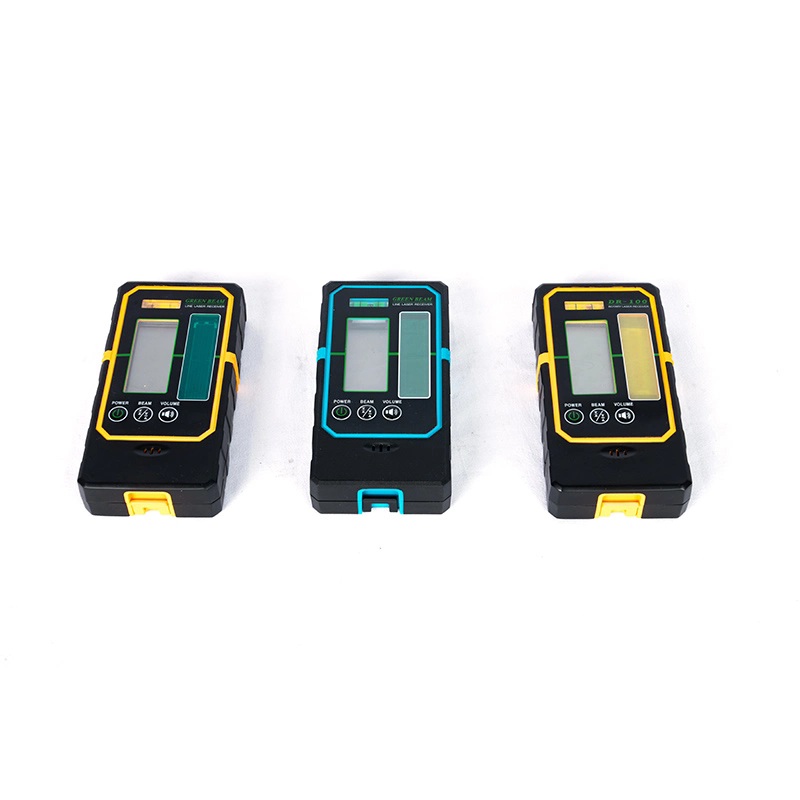
Yes, but visibility may be reduced under strong sunlight. Outdoor-rated models or laser detectors are recommended.
Q2: How accurate is a Cross Line Red Laser Level?
Most professional-grade models offer millimeter-level accuracy depending on calibration quality and working distance.
Q3: Is it difficult to operate for beginners?
No. Most devices feature one-button operation and automatic leveling systems, making them beginner-friendly.
Q4: What is the difference between red and green laser levels?
Red lasers are more cost-effective and suitable for indoor use, while green lasers are brighter and better for high-light environments.
Q5: How often should calibration be checked?
It is recommended to verify calibration before critical tasks or after any physical impact.
Conclusion
The Cross Line Red Laser Level has become an indispensable tool in modern precision work. Its ability to deliver accurate, stable, and visible reference lines significantly reduces human error and improves efficiency across construction and installation projects. Whether used by professionals or DIY users, it provides a reliable solution for alignment challenges.
For product inquiries, technical support, or bulk orders, feel free to contact us today. Our team is ready to assist you with tailored solutions and professional guidance.
We use cookies to offer you a better browsing experience, analyze site traffic and personalize content. By using this site, you agree to our use of cookies.
Privacy Policy