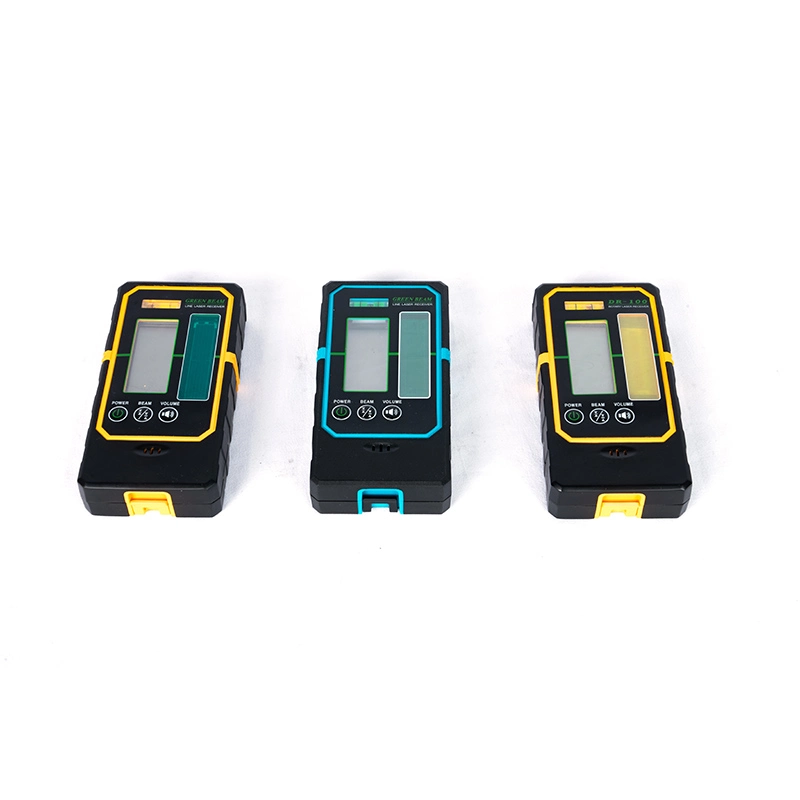
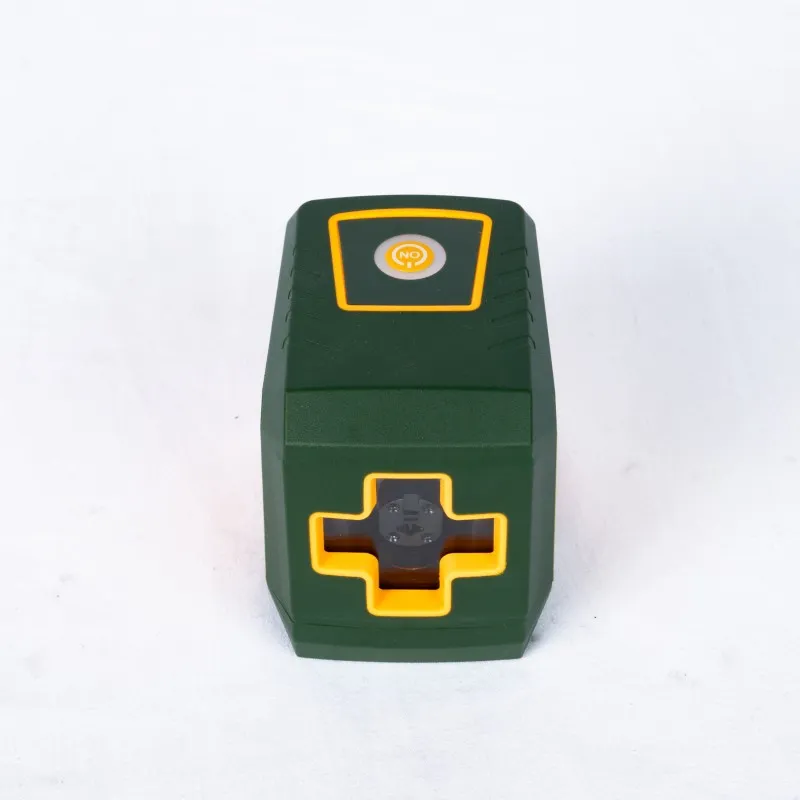
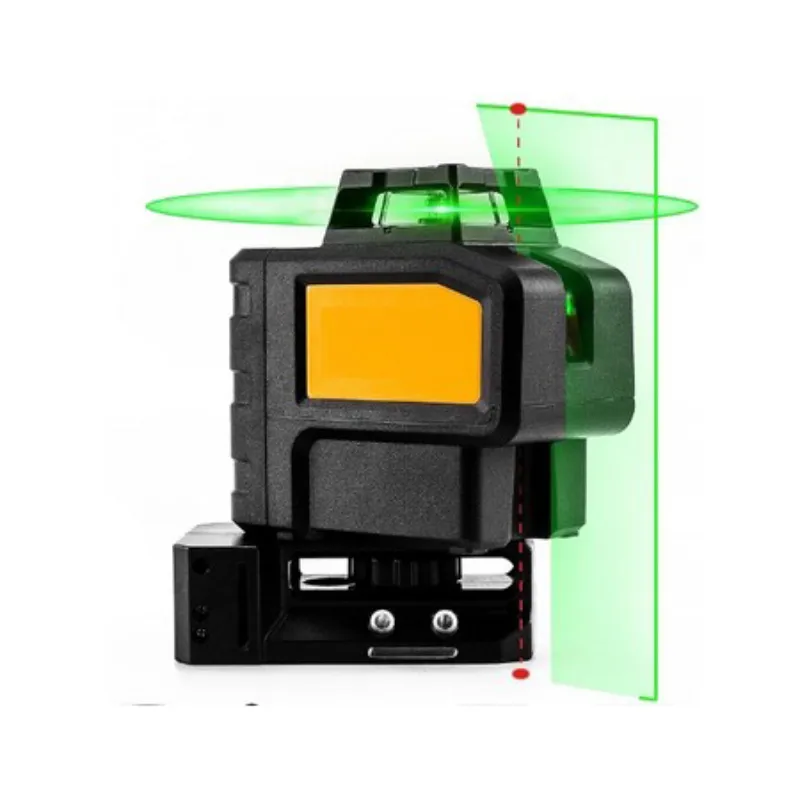
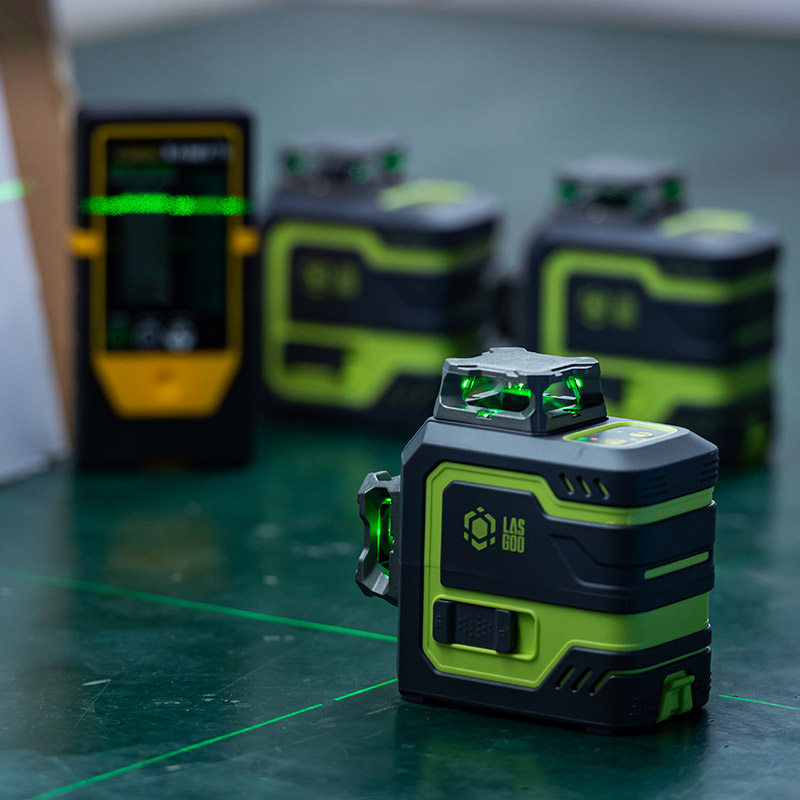
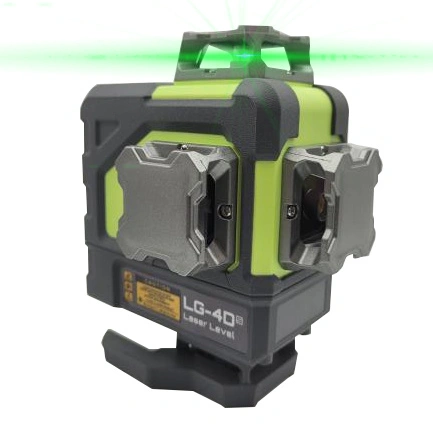
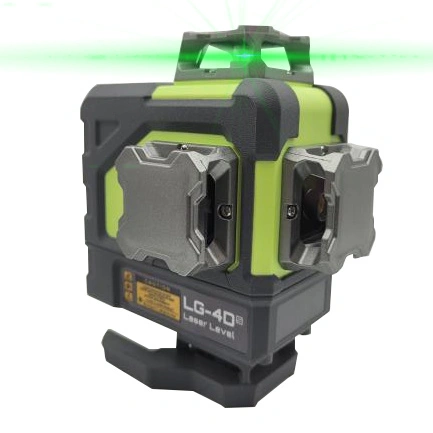
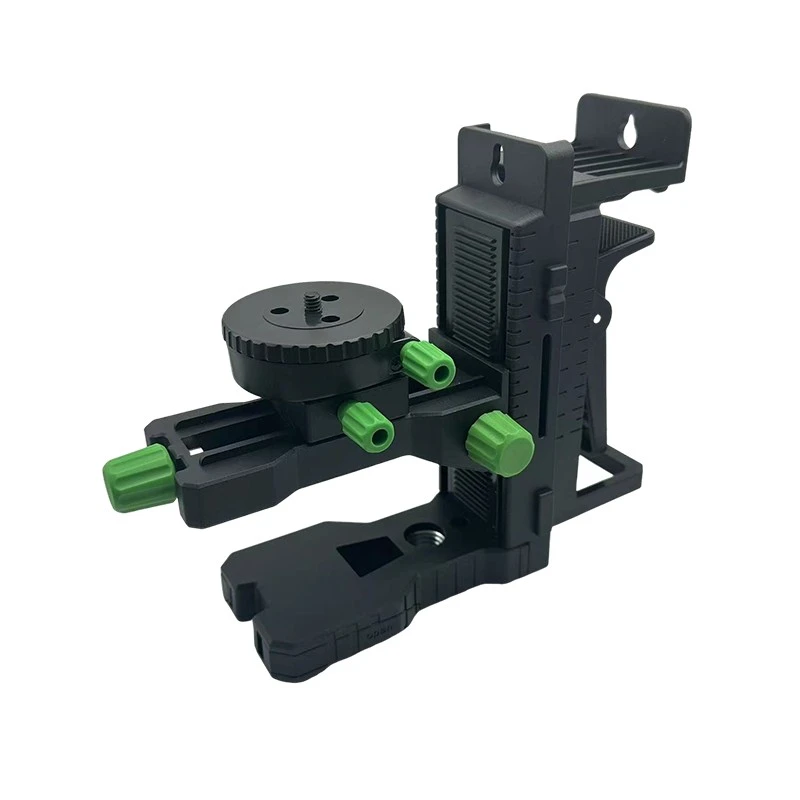
As construction projects continue to demand higher efficiency, accuracy, and adaptability, laser measurement technology has become an important support tool for professional installation and engineering work. In large working areas or complex outdoor environments, visual laser signals may become more difficult to identify, creating the need for reliable detection solutions. A Long Range Laser Receiver For Construction helps extend the practical working capability of laser instruments by detecting projected signals over extended distances and improving workflow efficiency in demanding environments.
The development of laser receiving technology reflects a broader change in the construction equipment industry. Professionals are no longer focused only on the basic function of a measuring tool but also consider working distance, environmental adaptability, operational convenience, and compatibility with different laser systems. These factors influence how effectively a tool can support daily construction activities.
Modern construction sites often involve large structures, open areas, and multiple installation processes happening simultaneously. Traditional manual measurement methods may require repeated checking and additional labor, especially when workers need to maintain consistent alignment across wider spaces.
Laser-based measuring systems provide a visual reference that helps simplify layout and alignment tasks. However, as project environments become more complicated, the ability to detect laser signals clearly under different conditions becomes increasingly important. Receiving technology helps address this challenge by allowing operators to identify laser lines beyond normal visual observation ranges.
Construction environments are rarely identical. Indoor renovation projects, exterior structures, foundation preparation, and equipment installation all create different requirements for measuring tools. Factors such as distance, lighting conditions, surface materials, and working angles can influence the effectiveness of laser guidance.
A professional receiving device is designed to improve usability when direct visual confirmation becomes difficult. By capturing laser signals and providing clear feedback, it allows operators to continue working efficiently in situations where the projected line may not be easily visible.
Efficient construction depends on reducing unnecessary adjustments and maintaining consistent reference standards throughout a project. Laser receivers can support this process by helping workers quickly locate and confirm laser positions during installation or leveling procedures.
This approach is especially useful when several tasks require the same reference alignment. Instead of repeatedly measuring the same area manually, workers can use laser detection equipment as part of a more streamlined workflow.
Laser receivers work together with compatible laser instruments to detect projected signals and translate them into practical guidance. Their design combines sensor technology, electronic processing, display systems, and durable housing to support professional applications.
The effectiveness of a receiving system depends on multiple elements working together. Sensor sensitivity, signal processing ability, operating interface, and mechanical protection all influence the overall user experience.
The primary function of a laser receiver is to identify laser signals accurately and provide useful information to the operator. High-quality sensor components help improve detection performance, while advanced processing systems help distinguish the intended laser signal from surrounding interference.
Accuracy is particularly important in construction environments where alignment consistency affects the installation result. Whether the task involves structural positioning, surface preparation, or equipment setup, dependable signal detection helps establish a more reliable reference.
Construction professionals often work under time constraints and changing conditions. Equipment that requires complicated operation may reduce efficiency instead of improving it. Therefore, practical laser receivers usually focus on simple controls, clear indicators, and convenient adjustment methods.
An intuitive operating experience allows users to spend less time understanding the tool and more time completing the actual installation work. This design philosophy has become increasingly important as measuring equipment continues to move toward wider professional application.
A useful receiving device should be designed with application flexibility in mind. Construction projects may involve different laser instruments depending on the task, working environment, and required measurement method.
Compatibility helps extend the value of existing equipment and allows professionals to select suitable tools based on specific project requirements. This also encourages manufacturers to focus on engineering adaptability during product development.
Laser receiving technology supports various construction activities where accurate alignment and level references are required. From building projects to installation services, these tools provide assistance in situations where traditional visual methods may have limitations.
| Application Area | Main Function | Working Advantage |
|---|---|---|
| Large construction projects | Signal detection across wider areas | Supports consistent alignment during installation |
| Outdoor engineering | Laser reference identification | Improves usability in changing environments |
| Building installation | Level and position checking | Helps maintain accurate placement |
| Infrastructure work | Measurement assistance | Provides reliable reference guidance |
| Equipment installation | Alignment support | Reduces repeated manual adjustment |
Outdoor construction environments often create greater challenges for measurement equipment. Bright surroundings, extended working distances, and open spaces can make laser lines harder to observe directly.
Receiving technology provides an effective solution by allowing operators to detect laser signals even when visual conditions are less favorable. This capability makes laser receivers useful for site preparation, structural alignment, and various outdoor installation activities.
Although many laser receivers are associated with large construction applications, they also provide value in commercial and interior installation scenarios. Large buildings, warehouses, and complex interior layouts often require accurate reference positioning across extended areas.
During these tasks, receiving equipment can help installation teams maintain consistent alignment when working between different locations or when direct visibility is limited by building structures.
Layout work is an essential part of many construction processes. Accurate reference positioning can influence the quality of later installation stages, including structural components, mechanical systems, and interior elements.
Laser receiving solutions help create a more organized approach by allowing workers to identify reference positions efficiently. This supports smoother coordination between different construction activities.
Choosing suitable construction measurement equipment requires consideration of the complete working environment. Different projects may have different expectations regarding operating distance, durability, portability, and compatibility.
Construction tools need to operate in diverse conditions. Dust, changing temperatures, transportation, and frequent handling can affect equipment performance over time.
A well-designed laser receiver should include practical protection features and a durable structure suitable for professional use. Reliable construction equipment needs to balance precision performance with real-world working requirements.
The quality of signal detection directly influences the usefulness of a laser receiving system. A sensitive and stable detection module helps operators identify reference signals more effectively during different working situations.
Manufacturers need to carefully consider optical components, electronic processing, and calibration procedures to maintain consistent product performance.
Construction professionals frequently move between different working locations. Equipment that is lightweight, easy to operate, and convenient to install can better support mobile workflows.
Practical design details, including mounting options, display visibility, and control arrangement, can influence how efficiently the tool performs in daily applications.
Precision measuring tools require careful manufacturing processes because small differences in components and assembly can influence final performance. Reliable laser equipment depends on coordinated development across optical design, electronic systems, mechanical structures, and quality inspection.
Manufacturers with strong technical experience are better positioned to improve product stability and respond to changing application requirements. Continuous improvement in production methods also supports more consistent performance across different product models.
Innovation in laser measurement technology requires ongoing research into optical systems, electronic control, and user application needs. Manufacturers must understand both technical principles and practical construction challenges.
A strong development process allows companies to create equipment that is not only technically functional but also suitable for real working environments. This connection between engineering knowledge and market application is an important factor in product development.
Quality management plays a significant role in precision instrument manufacturing. From component selection to final inspection, each production stage contributes to product reliability.
Professional manufacturers usually establish systematic procedures to monitor production consistency, verify product performance, and improve manufacturing efficiency. These practices help ensure that measuring tools can meet the expectations of demanding applications.
The construction equipment industry continues to move toward smarter, more integrated, and more adaptable solutions. Laser measurement tools are developing alongside broader trends in digital construction and improved workflow management.
Future products are expected to focus on stronger connectivity, improved user interaction, and enhanced adaptability across different working environments. Manufacturers will continue exploring ways to combine precision technology with practical field requirements.
Electronic technology is creating new possibilities for construction measurement equipment. Intelligent control systems, improved signal processing, and enhanced user interfaces can make professional tools easier to operate.
These developments do not replace the importance of basic measurement accuracy but instead provide additional support for professionals who need efficient and dependable solutions.
As construction projects become more specialized, equipment design is increasingly influenced by specific application scenarios. Different users may require different combinations of detection ability, durability, operating convenience, and system compatibility.
Manufacturers that understand these application differences can develop more practical solutions for professional markets. This trend encourages closer cooperation between engineering teams, manufacturers, and end users during product development.
The performance of construction measurement tools depends not only on product design but also on the manufacturing experience behind them. Suppliers with strong engineering capabilities can provide more complete support, including product development, technical communication, quality management, and customized solutions.
For companies seeking dependable measurement equipment, evaluating manufacturing expertise and technical capability is an important part of establishing long-term cooperation. A supplier's ability to combine innovation with stable production can influence the overall application value of the equipment.
Changzhou Laizap Opto-electro Technology Co., Ltd. was established as a company specializing in the research, development, production, and sales of laser instruments. The company provides laser products, technical support, and complete solutions for engineering, construction, and decoration applications.
With experienced teams in research and development, production, and quality management, Laizap focuses on developing practical laser tools based on professional application requirements. The company's product range includes laser line projectors, laser leveling machines, and related laser measurement solutions.
Laizap combines technical experience, production capability, and quality-focused manufacturing processes to support customers with reliable laser equipment. Through continuous innovation and attention to product performance, the company aims to provide effective solutions for construction professionals and industry partners worldwide.
For organizations looking for a professional laser instrument manufacturer with experience in product development, customization support, and global supply capability, Changzhou Laizap Opto-electro Technology Co., Ltd. offers an engineering-oriented approach to laser equipment manufacturing.
-