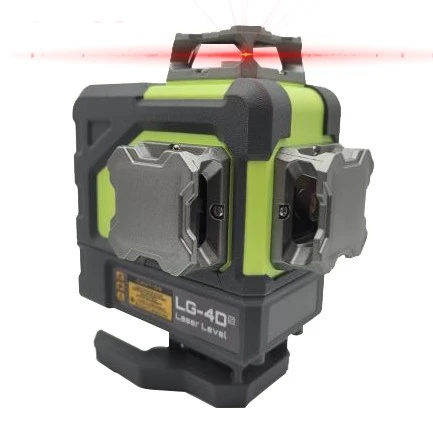
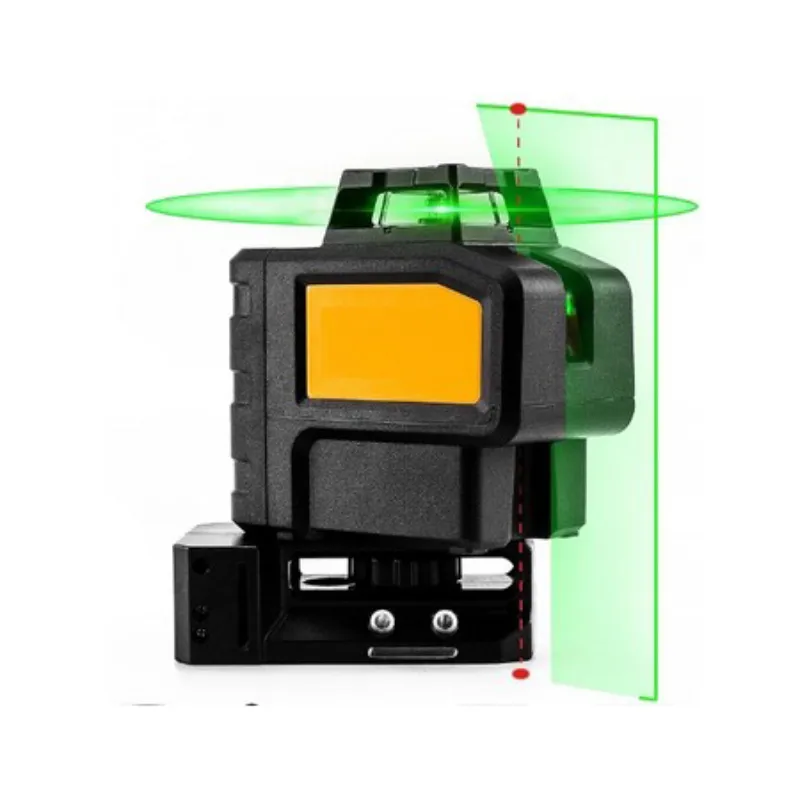
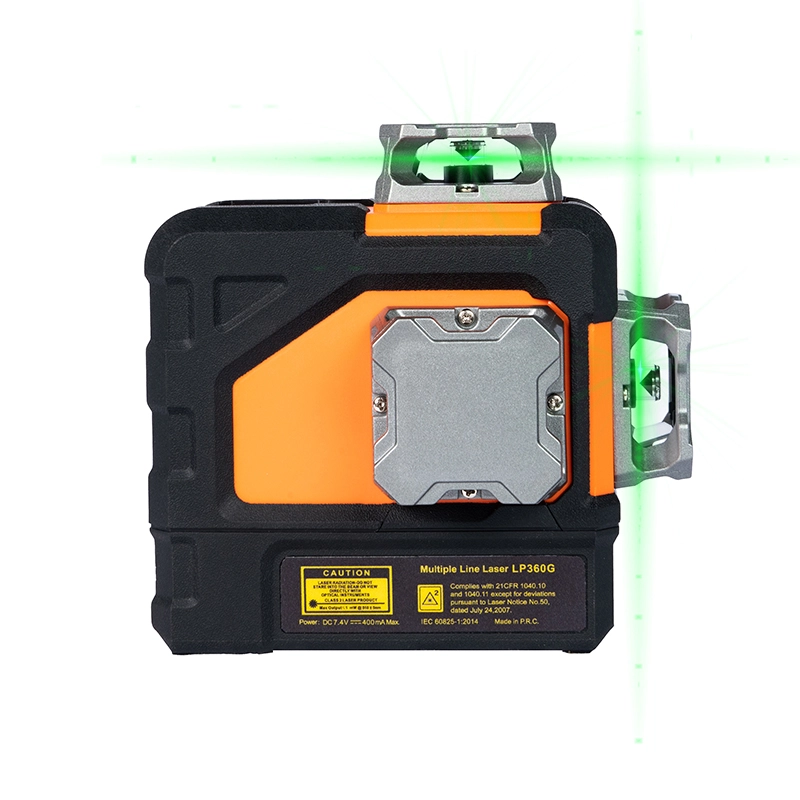
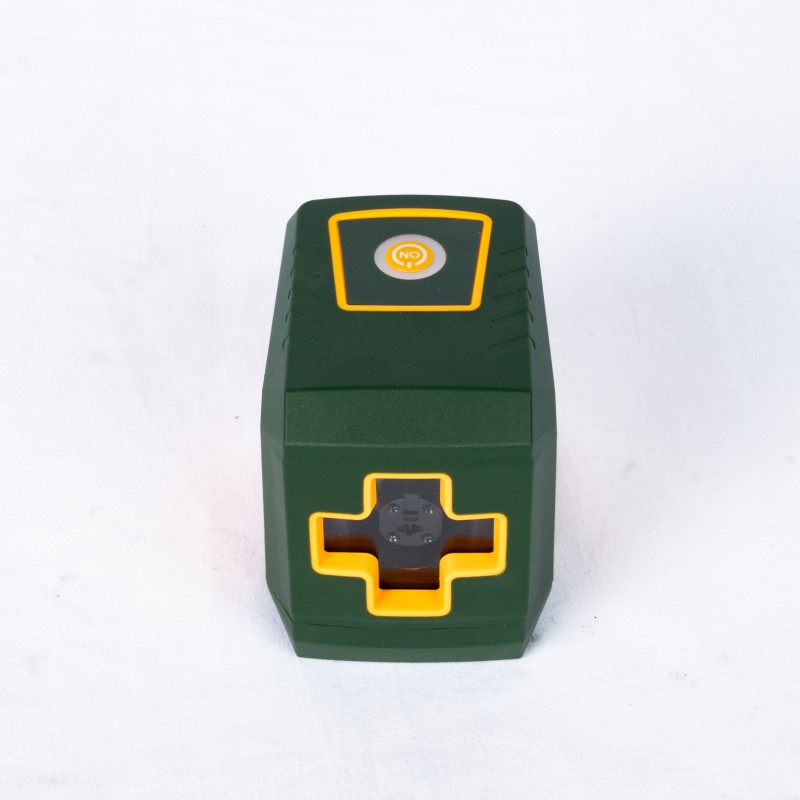
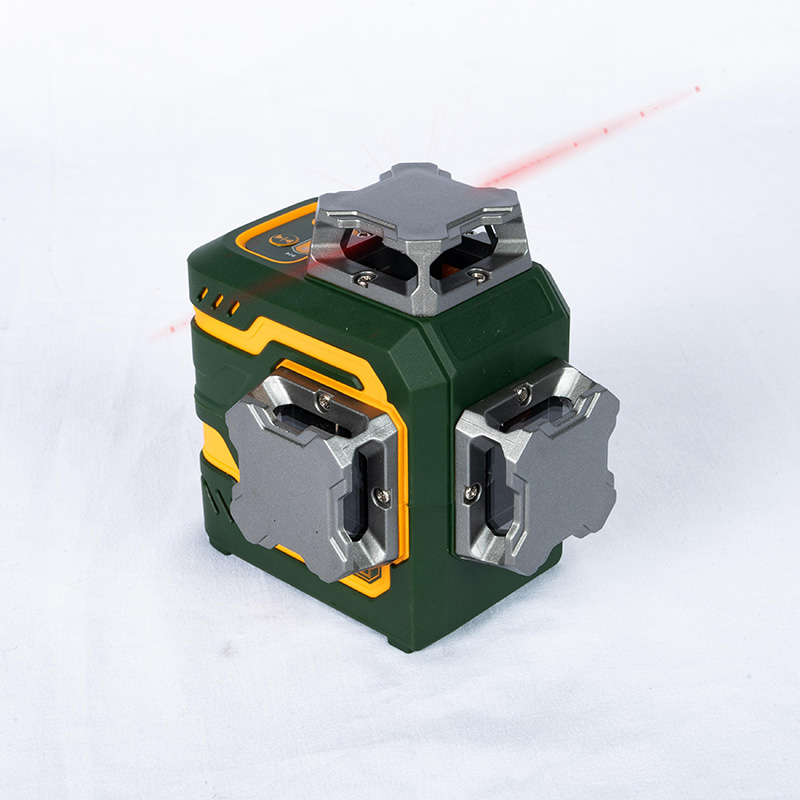
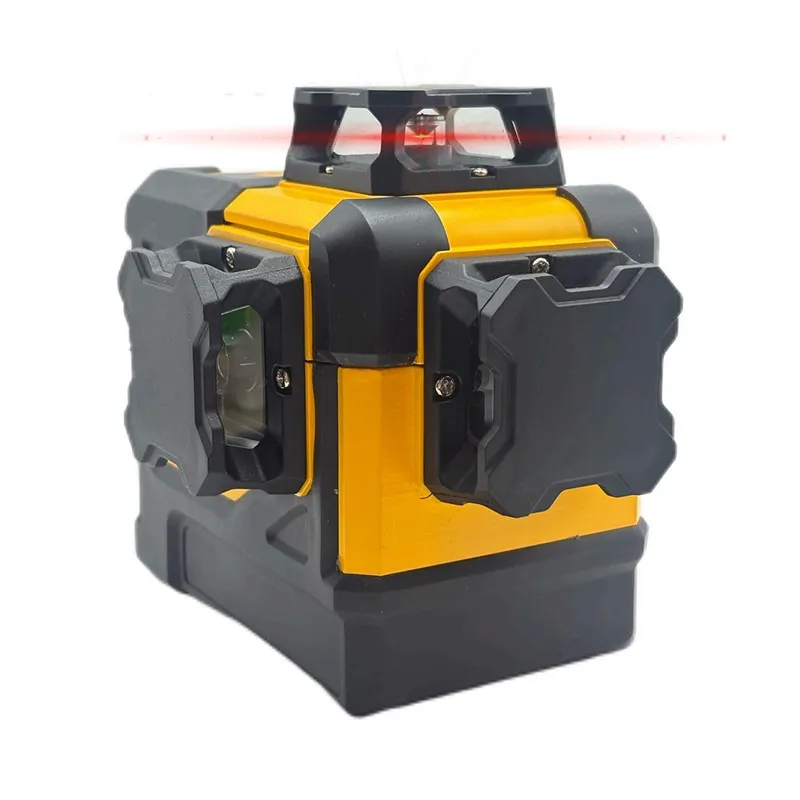
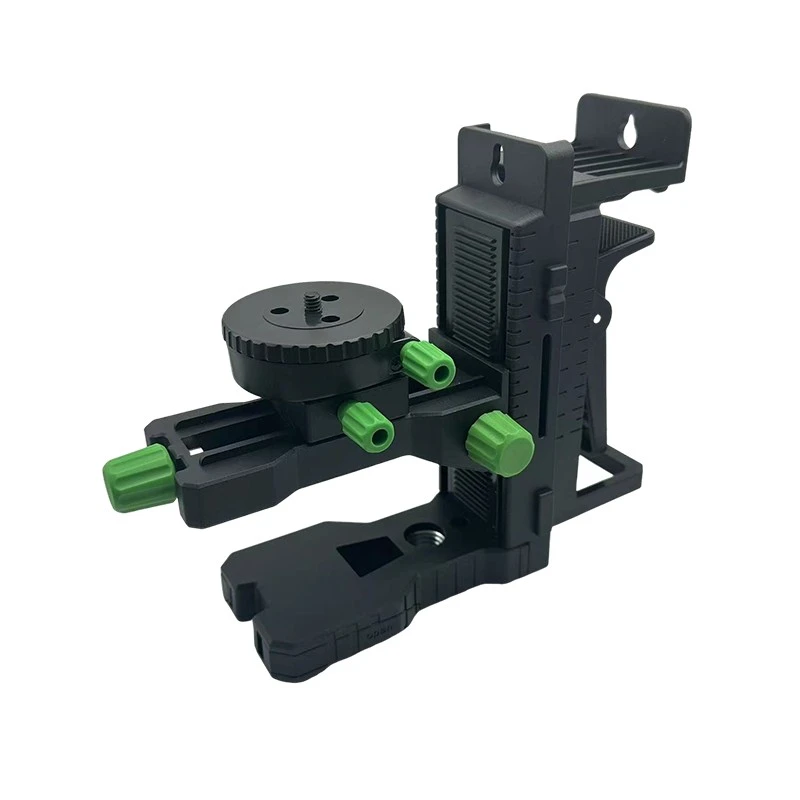
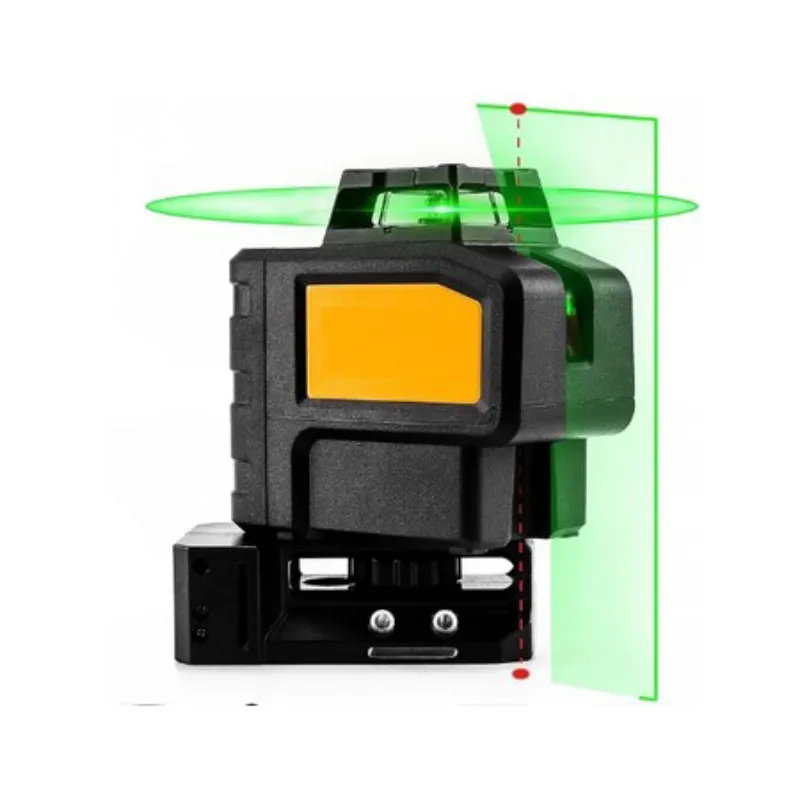
In modern construction, renovation, interior installation, and surveying work, professionals increasingly expect measuring tools to provide clear visual guidance without adding unnecessary complexity to the workflow. Although green laser technology has gained attention for its enhanced visibility, Red Laser Level equipment continues to have a strong position in many professional and general-purpose applications. Its practical combination of visible alignment, straightforward operation, compact design, and cost efficiency makes it a useful choice for contractors, installers, maintenance teams, and tool distributors.
The continued use of red laser technology also reflects an important trend in the measuring instrument industry: tool selection is increasingly based on the actual working environment rather than on a single technical specification. For indoor construction and decoration tasks, where lighting conditions are generally controlled and working distances are moderate, a red beam can provide an effective reference for horizontal, vertical, and alignment work.
Construction professionals are working in increasingly diverse environments. A measuring instrument may be used for wall installation, cabinet positioning, ceiling work, floor preparation, electrical layout, equipment alignment, or general renovation. Each task requires a different balance between visibility, accuracy, operating convenience, durability, and portability.
This has encouraged manufacturers to develop laser instruments around practical application requirements rather than treating laser projection as an isolated function. A useful leveling instrument needs to integrate optical performance with mechanical stability, electronic control, housing protection, and user-friendly operation.
Beam visibility is important, but it should not be considered independently from the surrounding environment. A red beam can perform effectively in indoor spaces where ambient light is moderate. On construction sites, the actual visibility of the projected line is influenced by wall color, surface texture, lighting conditions, working distance, and the optical characteristics of the instrument.
For this reason, professional users often evaluate a laser instrument according to the complete working scenario. A product that provides a clear reference line, stable projection, convenient setup, and reliable operation can be more valuable than a tool selected solely because of its beam color.
Laser leveling instruments are designed to reduce the need for repeated manual measurements. Once properly positioned, the projected reference can assist workers in maintaining consistent alignment during installation. This can simplify tasks such as mounting fixtures, positioning partitions, aligning decorative elements, and checking horizontal or vertical relationships between components.
The benefit is particularly noticeable when a task involves repeated alignment. Instead of establishing a separate reference for every installation location, the laser projection can provide a continuous visual guide. This helps create a more consistent workflow and can reduce unnecessary adjustments during installation.
A modern laser measuring instrument is not simply a laser diode combined with a housing. Its performance depends on the interaction between the optical module, electronic control system, pendulum or leveling mechanism, power system, and structural components.
The optical assembly determines how the laser beam is generated and projected. The control system manages operating functions, while the leveling mechanism helps establish a stable reference relative to gravity. Mechanical design then determines how well these internal components remain protected during transportation and routine use.
The quality of a projected reference line depends heavily on the stability of the internal optical and mechanical structure. Small changes in the relative position of internal components can influence the projected line and affect practical measuring performance.
Manufacturing consistency therefore plays an important role in laser instrument production. Optical components need to be correctly positioned, mechanical structures need to maintain their intended geometry, and electronic components need to operate consistently throughout normal working conditions.
Automatic leveling is another important function in many contemporary laser instruments. Instead of requiring the operator to establish a reference manually, the internal leveling mechanism can compensate for small positioning deviations within its operating range.
This function is especially useful during installation work where the instrument may need to be repositioned frequently. It allows the user to establish a reference more efficiently while reducing dependence on repeated manual adjustment.
However, automatic leveling does not eliminate the need for correct setup. The instrument should still be placed on a stable surface or mounting system, and the operating environment should be suitable for the equipment. Proper setup remains essential for obtaining dependable results.
Laser leveling technology has applications across construction and technical installation. The exact requirements differ from one project to another, but the fundamental purpose remains the same: providing a visible reference that helps workers establish alignment efficiently.
| Application | Typical Function | Practical Benefit |
|---|---|---|
| Interior decoration | Wall and fixture alignment | Clear visual reference during installation |
| Floor installation | Level and layout checking | Consistent reference across the working area |
| Ceiling installation | Horizontal positioning | Improved alignment during mounting work |
| Cabinet installation | Vertical and horizontal alignment | More consistent positioning between components |
| Electrical installation | Layout reference | Convenient visual guidance for installation routes |
| General construction | Alignment and leveling | Reduced dependence on repeated manual references |
Interior renovation is one of the most practical environments for visible laser projection. Installers frequently need to align cabinets, shelves, wall panels, lighting fixtures, decorative structures, and other components. A continuous reference line can make it easier to maintain visual consistency across different installation areas.
Because indoor environments generally offer more controlled lighting than open construction sites, red laser projection can provide an effective and economical solution for many renovation tasks. Compact equipment is also convenient when working in rooms where available space is limited.
Construction teams can use laser instruments for alignment tasks involving walls, floors, ceilings, openings, fixtures, and structural components. The equipment can support both initial layout work and subsequent installation checks.
In practical applications, the value of the instrument comes from its ability to establish a repeatable reference. This can help different workers follow the same alignment during a project, particularly when several installation activities need to remain visually coordinated.
Laser instruments can also be useful beyond initial construction. During maintenance or remodeling, technicians may need to verify whether an existing installation remains aligned or establish a reference before replacing components.
A portable laser tool can be easier to deploy than traditional measurement methods when the task requires a quick visual reference. This makes laser leveling equipment relevant not only to large construction projects but also to smaller professional service applications.
Selecting a laser measuring instrument requires consideration of the complete application rather than focusing on one feature. Different work environments place different demands on optical visibility, mechanical stability, operating range, housing design, power management, and user interface.
A projected line should be sufficiently clear for the intended environment. The quality of the optical system influences how sharply the line can be observed and how effectively it can serve as an installation reference.
Optical clarity is particularly important when the reference line needs to remain visually distinguishable against different surfaces. The design of the optical module, beam projection method, and overall instrument structure should therefore be considered together.
Even a high-quality optical module cannot compensate for poor mechanical stability. The instrument housing should protect internal components while maintaining the intended alignment of the optical system during normal operation.
For professional tools, mechanical design should also account for transportation, repeated setup, handling, and ordinary job-site conditions. A stable structure contributes to consistent performance throughout the service life of the equipment.
A laser instrument is more useful when operators can position and operate it without unnecessary complexity. Clear controls, practical mounting options, compact construction, and intuitive adjustment can all contribute to smoother field operation.
For contractors who move between different working locations, portability is especially valuable. The tool should be easy to transport, quick to position, and suitable for the intended installation environment.
Power management can influence the efficiency of daily operation. Users need equipment that can support their normal workflow without frequent interruptions. Battery access, power consumption, operating controls, and shutdown behavior should therefore be considered when evaluating a laser instrument.
The ideal configuration depends on how frequently the instrument is used and whether it is intended for occasional installation work or continuous professional operation.
Proper maintenance is important for optical measuring equipment because the instrument relies on both precision components and a stable internal structure. Routine care can help reduce avoidable performance problems and extend the usable service period.
The laser output window should be kept clean and protected from scratches. Dust or construction residue on the optical surface can affect the clarity of the projected beam. Cleaning should be carried out with suitable materials that will not damage the optical coating or surface.
Laser instruments should be handled carefully during transportation and setup. Although professional equipment is designed for practical field use, unnecessary impact can place stress on internal optical or leveling components.
When transporting the instrument between work locations, suitable protective packaging or a dedicated carrying case can help reduce mechanical shock and contamination.
Where the instrument is used for professional alignment work, periodic performance checks can help identify potential deviations at an early stage. If an instrument has experienced a significant impact, unusual operating behavior, or visible changes in projection, professional inspection may be appropriate before continued use for precision tasks.
The laser instrument industry continues to move toward greater integration between optical performance, electronic control, mechanical engineering, and user-oriented design. Manufacturers are increasingly expected to provide tools that are easier to operate while maintaining consistent performance under practical working conditions.
Another important direction is application specialization. Rather than producing a single general-purpose instrument for every environment, manufacturers can develop different configurations for interior decoration, construction, equipment installation, surveying assistance, and other professional scenarios.
Electronic control technology is becoming increasingly important in portable laser instruments. More refined control systems can improve operating convenience, support different working modes, and provide clearer interaction between the user and the equipment.
Future development is likely to continue combining compact hardware with more intelligent control functions while maintaining the straightforward operation expected from professional hand tools.
As laser instruments become common across professional applications, reliability is increasingly treated as a complete manufacturing objective. It involves not only the laser source but also optical alignment, electronic components, mechanical construction, assembly procedures, inspection, and quality control.
For manufacturers, this means that product competitiveness increasingly depends on production consistency and engineering capability rather than appearance alone.
The performance of a laser instrument begins long before the product reaches a construction site. Research and development, optical design, component selection, assembly, calibration, quality inspection, and production management all contribute to the final product.
For professional laser equipment manufacturers, experience in the industry can be particularly valuable because precision instruments require close coordination between multiple technical disciplines. Optical engineering must work together with mechanical design and electronic control to achieve a stable and practical product.
An integrated approach to research, manufacturing, and sales allows product development to respond more directly to market requirements. It also enables manufacturers to coordinate technical support and production processes more efficiently.
This approach is increasingly relevant for customers seeking customized laser instruments. Different applications may require changes in housing design, projection configuration, operating functions, packaging, or other product characteristics. Flexible engineering support can therefore become an important part of the supplier relationship.
Laser tools used in construction and engineering do not always share identical requirements. Professional users may require different configurations depending on the intended working environment, installation method, or target market.
Customization capabilities can help manufacturers respond to these differences while maintaining control over product quality. A suitable development process should balance application requirements with optical performance, mechanical reliability, production feasibility, and overall usability.
Despite the growing availability of alternative laser technologies, red laser projection remains relevant because it offers a practical solution for many indoor and general construction applications. The technology is familiar to users, widely applied across measuring tools, and suitable for equipment designed around straightforward visual alignment.
The most appropriate choice ultimately depends on the working environment. For applications where indoor visibility, compact design, ease of operation, and overall cost efficiency are important, Red Laser Level equipment can continue to provide a balanced solution.
Rather than viewing laser color as the only factor in product selection, professionals should consider the complete system, including optical quality, leveling performance, mechanical stability, operating convenience, durability, and technical support.
Changzhou Laizap Opto-electro Technology Co., Ltd. is a manufacturer specializing in laser products, integrating research and development, production, and sales. The company focuses on laser line projectors, laser leveling machines, and related laser instruments for engineering, construction, and decoration applications.
Laizap's R&D, production, and quality management teams have extensive experience in the laser instrument industry and have previously provided laser products for internationally recognized tool brands. This industry experience supports the company's approach to optical engineering, product development, manufacturing, and quality management.
The company also emphasizes practical product design, combining safety, reliability, environmental considerations, appearance, and application-specific requirements. Its manufacturing operation supports large-scale production while maintaining the flexibility required for customized laser products.
For customers looking for a China laser instrument manufacturer capable of supporting customized development, sample evaluation, and ongoing product supply, Changzhou Laizap Opto-electro Technology Co., Ltd. provides an application-oriented approach to laser equipment manufacturing. Its focus on engineering experience, production capability, product quality, and responsive technical service makes it a relevant supplier for companies developing or sourcing laser tools for construction and professional installation markets.